
IT Project Management Maturity Analysis Using Prado-PMMM
- Introduction
The concept of project management maturity has garnered increasing recognition as a pivotal factor influencing the success and strategic alignment of organizations, Particularly within the Information Technology (IT) sector, the effective management of projects is no longer a peripheral function but a core competency that directly impacts the achievement of strategic objectives and overall organizational success. A deficiency in well-defined project management methodologies can lead to inefficient project execution, suboptimal resource utilization, and ultimately, organizational failure. Consequently, the establishment and continuous improvement of robust project management practices are imperative for organizations operating within the IT domain.
Maturity models have emerged as valuable tools for organizations seeking to understand and enhance their project management capabilities. These models provide a structured framework for assessing an organization's current state of project management processes, identifying areas that require improvement, and guiding the implementation of continuous improvement initiatives. Among the various project management maturity models available, the Prado Project Management Maturity Model (Prado-PMMM), launched by Darci Prado in 2002, offers a distinct approach characterized by its simplicity and effectiveness in measuring project management maturity.
This literature review focuses on the application of the Prado-PMMM for analyzing maturity in IT project management, primarily drawing insights from the provided source, which details a case study involving a private sector IT organization. The Prado-PMMM is designed to provide organizations with a straightforward method to evaluate their project management maturity, offering both sectoral and corporate approaches to cater to different assessment needs. The sectoral approach allows for a detailed evaluation within specific sectors, coupled with a tailored action plan, while the corporate approach provides a comprehensive assessment of the entire organization. From a sectoral perspective, the model delineates five levels of maturity, ranging from Level 1 (Initial/Ad hoc) to Level 5 (Optimized), each characterized by progressively more sophisticated and effective project management practices. Furthermore, each maturity level incorporates seven dimensions of maturity, including project management competence, technical and contextual competence, and strategic alignment.
The scope of this literature review is to summarize, synthesize, and evaluate the existing research, as presented in the provided source, concerning the application of the Prado-PMMM in an IT context. The objectives include highlighting the main themes emerging from the source, identifying points of agreement, debate (if any), and gaps in the research, describing the relevant methodologies employed, examining the development in the field over time as reflected in the source, and offering critical insights on how this body of work aligns or diverges in context. By analyzing this specific case study, this review aims to contribute to a deeper understanding of the practical application and value of the Prado-PMMM in assessing and improving project management maturity within the IT industry.
- Main Themes Emerging from the Source
The provided source elucidates several key themes concerning the analysis of project management maturity in an IT company using the Prado-PMMM methodology.
- The Significance of Project Management Maturity in IT: The study underscores the paramount importance of project management within IT organizations due to its direct impact on strategic objectives and overall success. A well-defined organizational strategy, supported by robust project management methodologies, is crucial for effective project execution and to mitigate the risk of organizational failure. The increasing visibility and importance of project management practices over time are also noted. The application of best project management practices is highlighted as being of enormous importance, leading to increased added value for the business, greater realization of benefits, and better benefits management activities. Project management practices are deemed necessary to ensure project success.
- Maturity Models as Tools for Improvement: The research emphasizes the role of maturity models, such as the Prado-PMMM, in conducting diagnostic assessments of an organization's project management practices to identify areas requiring improvement. Adopting maturity models is presented as a means to enhance project management efficiency. The source notes that project management maturity models emerged from the 1990s as organizations realized that team goodwill or a good project manager alone were insufficient for project success. These models serve as a guide for organizations, enabling them to identify their current situation and develop improvement plans in pursuit of excellence. The study further indicates that maturity models are increasingly used in the field of Information Systems as an informed way of seeking continuous improvement, and they have proven to be an important tool in information technology management, helping to better position project management teams and find more…
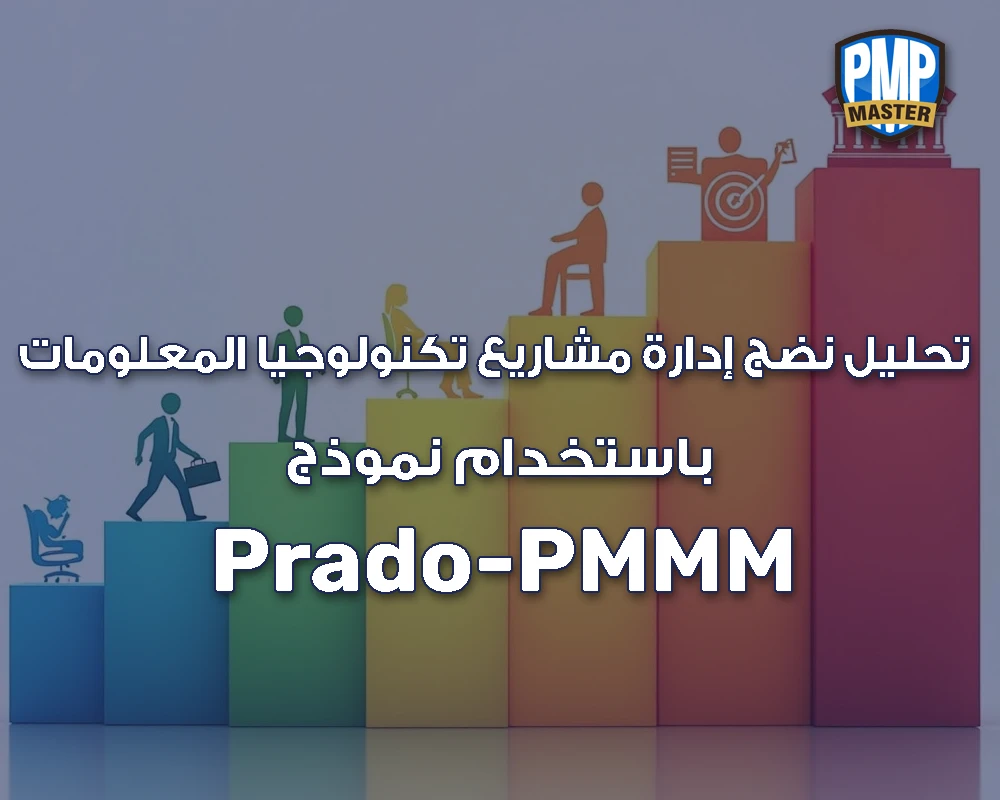
- The Prado-PMMM Framework: The article details the Prado-PMMM, highlighting its objective of offering a simple and effective approach to measuring project management maturity. Currently in version 2, the model is aligned with project management trends and encompasses both sectoral and corporate approaches. The sectoral perspective includes five levels of maturity: Level 1 (Initial/Ad hoc), Level 2 (Basic/Managed), Level 3 (Defined/Standardized), Level 4 (Managed/Quantitatively Managed), and Level 5 (Optimized/Continuously Improving). Each level incorporates seven dimensions of maturity, such as project management competence, technical and contextual competence, strategic alignment, organizational structure, project management methodologies, information management, and computerization. The model employs a questionnaire with 40 multiple-choice questions, organized into four sections corresponding to maturity levels 2 to 5, to determine the organization's maturity level.
- Practical Application of Prado-PMMM in an IT Context: The core of the research involves the application of an adapted Prado-PMMM questionnaire at the CCG/ZGDV institute, a private sector IT organization based in Portugal. The CCG/ZGDV is identified as an Innovation and Technology Center with a multidisciplinary team and over 30 years of experience. The study utilized a questionnaire adapted from Prado's model, comprising 45 multiple-choice questions, including 5 introductory questions and 40 related to maturity assessment across four sections.
- Outcomes of Maturity Assessment Using Prado-PMMM: The analysis of the questionnaire responses generated three evaluations: adherence to levels, adherence to dimensions, and a final assessment of maturity (AFM). The adherence to levels indicated that CCG/ZGDV demonstrated a basic understanding and consistent practices at level 2, with regular adherence. However, adherence at levels 3, 4, and 5 was also classified as regular, with some variations, and level 5 showed weak adherence, suggesting a lack of a robust culture of continuous improvement. The analysis of adherence to dimensions revealed lower performance in Computerization and Behavioral Competence, while Strategic Alignment and Organizational Structure performed best. The final maturity assessment (AFM) for CCG/ZGDV was calculated as 3.28, indicating a level of maturity considered good and classified as "Standardized" according to the Prado model. This suggests satisfactory PM practices with room for improvement.
- Development of Growth Plans for Maturity Enhancement: Based on the assessment results, the study emphasizes the importance of adopting a strategic approach, following Prado's guidelines, to increase project management maturity. A short-term growth plan (12 months to 3 years) was proposed for CCG/ZGDV, focusing on critical dimensions such as computerization and behavioral skills. The action plan includes specific actions, deadlines, and tools related to time management, software integration, training, establishing success criteria, developing evaluation metrics, knowledge management, and methodology enhancement. The study recommends a new maturity assessment within two years after implementing the plan to evaluate progress.
III. Points of Agreement, Debate, and Gaps within the Source
- Points of Agreement: The source consistently emphasizes the critical role of project management maturity in achieving organizational success, particularly within the IT sector. There is a clear agreement on the utility of project management maturity models, including the Prado-PMMM, as valuable tools for assessing current capabilities and guiding improvement efforts. Furthermore, the research explicitly positions the Prado-PMMM as a suitable and effective model for evaluating project maturity in the specific context of the studied IT organization, highlighting its simplicity and ease of application. The positive results of the assessment, even while indicating areas for improvement, suggest an implicit agreement within the study on the Prado-PMMM's relevance for this type of analysis in an IT setting.
- Points of Debate: The provided source does not explicitly present debates or conflicting viewpoints regarding the Prado-PMMM itself. However, the comparison of Prado-PMMM with other models like KPMMM and OPM3 in the literature review section indirectly alludes to potential discussions within the broader academic literature concerning the strengths, weaknesses, and suitability of different maturity models for various organizational contexts. For instance, the source highlights Prado-PMMM's simplicity compared to the medium complexity of KPMMM and OPM3, which could be a point of debate depending on the specific needs and sophistication of an organization. Some organizations might prefer the comprehensiveness of more complex models, while others might prioritize the ease of use offered by Prado-PMMM.
- Gaps in the Research (within the provided source): The most significant gap within the provided source is its reliance on a single case study. While this allows for an in-depth analysis of the CCG/ZGDV institute, it limits the generalizability of the findings regarding the applicability and effectiveness of the Prado-PMMM across a broader spectrum of IT organizations with varying sizes, structures, and operational contexts. Furthermore, while the study includes a comparative analysis of the case study results with sectoral averages obtained from the model creator's platform, it does not delve into a detailed examination of the nuances and specific factors that might contribute to differences in project management maturity levels across different types or sizes of IT companies. Additionally, the source outlines a short-term growth plan based on the Prado-PMMM assessment, but it lacks empirical data on the long-term impact and effectiveness of implementing such plans in IT organizations…
- Relevant Methodologies Used in the Source
The research adopts a rigorous methodology to assess project management maturity at the CCG/ZGDV institute.
- Case Study Methodology: The primary research methodology employed is a case study approach. This methodology is particularly well-suited for conducting in-depth, contextual analyses of specific organizations or phenomena within their real-life settings, allowing for a comprehensive examination of complex issues. In this research, the case study focuses on the CCG/ZGDV institute to thoroughly explore its unique project management practices and challenges. This approach facilitates a detailed understanding of how the organization's project management maturity aligns with established models like the Prado-PMMM. The case study enabled the collection of both qualitative and quantitative data, although the primary focus in the paper is on the quantitative data obtained through the questionnaire.
- Quantitative Data Collection through Questionnaires: The main data collection tool used in this project was a structured questionnaire adapted from Prado's Project Management Maturity Model. The questionnaire comprised 45 multiple-choice questions, divided into 5 introductory questions about the respondent and 40 questions directly related to the maturity assessment. These 40 questions were distributed across four sections, each corresponding to maturity levels 2 to 5, with 10 questions per level. The scoring system involved descending points for the first three sections (10 to 0 for options A to E) and binary scoring (10 or 0 for options A or E) for the last section. This structured approach ensured that specific data on various aspects of project management maturity could be gathered systematically.
- Statistical Analysis: The collected data from the questionnaires underwent statistical analysis to generate meaningful insights into the organization's project management maturity. Three main evaluations were derived from the scores: adherence to levels, calculated as the maximum score achieved per level (ranging from 0 to 100 points) with defined interpretation categories; adherence to dimensions, presented on a scale from 0% to 100% with similar adherence categories; and the final assessment of maturity (AFM), calculated using a specific formula based on the total points obtained across the maturity levels, resulting in a maturity classification (e.g., Very low, Weak, Fair, Good, Excellent). This quantitative analysis allowed for a structured evaluation of the organization's maturity level and performance across different dimensions.
- Benchmarking (Indirect): While not a direct benchmarking study against other specific organizations, the research included a comparative analysis of the case study findings with aggregated data from similar sectors (private sector, engineering, and IT software) reported by the Prado-PMMM creator on their web platform. This comparison served as an indirect form of benchmarking, allowing the researchers to assess the CCG/ZGDV's project management maturity in relation to broader sectoral trends and averages. The consistently superior outcomes for CCG/ZGDV compared to the analyzed sectors suggested a stronger position in terms of project management maturity.
- Development in the Field Over Time (as Reflected in the Source)
The source provides insights into the development of project management maturity models and their increasing importance over time.
- The article notes that while project management practices have become increasingly visible and important, it remains a problematic endeavor. It highlights that the realization in the 1980s and 1990s that team goodwill alone was insufficient for project success spurred the development of project management maturity models from the 1990s onwards. This shift acknowledged the need for a more structured and informed approach to developing project management capabilities within organizations, recognizing that projects were sometimes selected without a clear understanding of organizational capabilities.
- The increasing application of maturity models in the field of Information Systems as an informed way of seeking continuous improvement is explicitly mentioned. In information technology management, these models have become an important tool for better positioning project management teams and facilitating more effective solutions. The source underscores the growing understanding that project management maturity and project success are positively correlated.
- The literature review section of the paper references contemporary project management standards and frameworks, such as the PMBOK 7th edition guide and ISO 21500:2021. This indicates an awareness of the ongoing evolution of project management principles and practices, which maturity models often aim to align with. The fact that the study applies a maturity model (Prado-PMMM), launched in 2002, in research published in 2025 demonstrates the continued relevance and utilization of such models for assessing organizational capabilities in project management.
- Critical Insights on Alignment and Divergence within the Body of Work (Primarily the Single Source)
The research presented in the source offers valuable insights into the application of the Prado-PMMM in an IT context, revealing both alignment with general principles of project management maturity and potential areas of divergence from broader research.
- Alignment of Prado-PMMM with IT Context: The study successfully aligns the Prado-PMMM with the specific operational context of an IT organization (CCG/ZGDV). The adaptation and application of the model's questionnaire and the subsequent analysis of maturity levels and dimensions demonstrate the model's relevance and applicability for assessing project management practices within the IT sector. The identification of specific areas for improvement, such as computerization and behavioral competence, further suggests that the dimensions assessed by the Prado-PMMM are pertinent to the challenges and needs of IT project management. The development of a targeted growth plan based on the assessment results underscores the model's utility in driving practical improvements in IT project management practices.
- Divergence from Broader Research (Potential): While the source champions the Prado-PMMM for its simplicity and ease of use, broader literature on project management maturity models might present a divergence in perspectives regarding the ideal level of complexity and comprehensiveness required for effective maturity assessments, particularly within diverse IT organizational landscapes. More complex models, like OPM3 and KPMMM, which have a theoretical basis requiring prior knowledge of the PMBOK, might be considered more suitable for larger or more mature IT organizations that seek a highly detailed and comprehensive evaluation. The source does not extensively explore potential limitations of the Prado-PMMM in addressing the nuances of highly complex or large-scale IT projects, which might be a topic of discussion in other research comparing various maturity models.
- Emphasis on Practical Application over Theoretical Debate: The source exhibits a strong emphasis on the practical application of the Prado-PMMM in a real-world IT setting. The focus is primarily on the assessment process, the interpretation of results, and the formulation of actionable improvement strategies for the studied organization. This pragmatic approach might diverge from research that is more focused on the theoretical underpinnings, comparative analyses, or the psychometric properties of different project management maturity models. While the source does provide a brief literature review comparing Prado-PMMM with other models, its primary contribution lies in demonstrating the practical utility of the Prado model in a specific IT context rather than engaging in an extensive theoretical debate about the merits of different models.
VII. Conclusion
This literature review, primarily drawing on the provided source, has highlighted the key aspects of applying the Prado Project Management Maturity Model for analyzing maturity in a private sector IT organization. The study underscores the critical importance of project management maturity for achieving strategic objectives and ensuring overall success within the IT industry. It demonstrates the practical application of the Prado-PMMM as an effective tool for assessing an organization's current project management capabilities, identifying areas for improvement, and guiding the development of targeted growth plans.
The case study of the CCG/ZGDV institute provides valuable insights into the current state of project management maturity in a specific IT context, classifying it as "Standardized" while also pinpointing areas needing further development, such as computerization and behavioral competence. The development of a short-term growth plan offers a practical roadmap for the organization to enhance its project management practices.
While the source provides a compelling case for the Prado-PMMM's utility in this specific IT context, its primary limitation lies in its reliance on a single case study, which restricts the generalizability of the findings. Future research could benefit from broader application of the Prado-PMMM across diverse IT organizations, longitudinal studies to evaluate the long-term effectiveness of improvement plans derived from the model, and comparative analyses with other maturity models to better understand the strengths and limitations of each in various IT contexts. Nevertheless, this study contributes significantly to the understanding of how the Prado-PMMM can be practically applied to assess and improve project management maturity within the IT sector, offering a valuable framework for organizations seeking to enhance their project management capabilities.
Frequently Asked Questions on Project Management Maturity
- What is project management maturity and why is it important for organizations?
Project management maturity refers to the extent to which an organization has formalized and optimized its project management processes. It quantifies an organization's ability to consistently manage projects successfully, ensuring they meet their objectives within defined constraints such as time, cost, and scope. Achieving a higher level of maturity is crucial because it leads to increased added value for the business, better realization of benefits, improved customer satisfaction, and a greater likelihood of overall organizational success by aligning projects with strategic goals.
- What are project management maturity models and how do they help organizations?
Project management maturity models are frameworks that provide a structured approach to assess and improve an organization's project management capabilities. These models typically define a set of progressive levels, each characterized by increasing levels of sophistication and effectiveness in project management practices. By using these models, organizations can identify their current level of maturity, pinpoint areas needing improvement, and develop a roadmap for enhancing their project management processes in a systematic and informed manner, ultimately pursuing excellence.
- What are some key project management maturity models mentioned in the source, and what are their main characteristics?
The source highlights three key project management maturity models:
- Kerzner Project Management Maturity Model (KPMMM): An extension of the CMMI model, it focuses specifically on project management and offers methods for assessing adherence to its five maturity levels (recognition, common processes, single methodology, benchmarking, continuous improvement) through a detailed questionnaire.
- Organizational Project Management Maturity Model (OPM3): Developed by PMI, it provides a comprehensive set of best practices to measure maturity across individual projects, programs, and portfolios. It focuses on Knowledge, Assessment, and Improvement, using four stages of maturity: standardization, measurement, control, and continuous improvement.
- Prado Project Management Maturity Model (Prado-PMMM): This model aims for a simpler and more effective approach to measuring project management maturity, offering both sectoral and corporate perspectives. It has five levels (Initial/Ad hoc to Optimized) assessed through a questionnaire covering seven dimensions of maturity, leading to a growth plan for improvement.
- How was project management maturity assessed in the case study described in the source?
The case study assessed the project management maturity of the CCG/ZGDV institute, a non-profit IT organization, using an adapted version of the Prado-PMMM. A questionnaire with 45 multiple-choice questions, divided into sections corresponding to different maturity levels, was administered to six members of the organization. The responses were scored to determine the organization's adherence to different maturity levels and dimensions, culminating in a final maturity assessment score.
- What were the main findings of the project management maturity assessment at CCG/ZGDV?
The assessment revealed that CCG/ZGDV demonstrated a "Standardized" level of project management maturity according to the Prado model, with an average Final Maturity Assessment (AFM) score of 3.28. While the organization showed regular adherence at level 2 (common processes), adherence at levels 3, 4, and 5 was also classified as regular but indicated areas for improvement, particularly at levels 4 (tending towards weak in monitoring and control) and 5 (weak adherence, suggesting a lack of a robust continuous improvement culture). Lower performance was noted in the dimensions of Computerization and Behavioral Competence, while Strategic Alignment and Organizational Structure performed best.
- How did the project management maturity of CCG/ZGDV compare to other similar organizations?
A comparative analysis with reports from the Prado-PMMM model's creator, focusing on private sector, engineering, and IT (software) branches, indicated that CCG/ZGDV consistently demonstrated superior outcomes compared to the average maturity levels of companies in these similar sectors. For instance, in comparison to the 2021 Private Sector Research Report, CCG/ZGDV's maturity score of 3.28 was higher than the sector average of 2.92. This suggests a relatively strong position for CCG/ZGDV in terms of project management maturity within its broader context.
- What are the key components of the short-term growth plan proposed for CCG/ZGDV to enhance its project management maturity?
The short-term growth plan for CCG/ZGDV, aiming for implementation within 12 months to 3 years, focuses on addressing the identified areas of weakness. Key actions include:
- Identifying and integrating suitable time management software and regularly monitoring its effectiveness.
- Evaluating computerization needs and implementing a system like MS Project, followed by team training.
- Conducting stakeholder interviews and surveys, implementing internal training on basic PM concepts using online resources, and organizing mentoring/coaching sessions to improve behavioral competence.
- Establishing clear project success criteria and evaluation metrics.
- Creating a database for project results and researching a knowledge management platform like SharePoint.
- Developing and implementing a comprehensive human relations training program and conducting performance evaluations.
- Creating or enhancing their project management methodology, providing training and awareness, and adapting it to different project types.
- What is the next recommended step after implementing the growth plan for CCG/ZGDV?
Following the implementation of the short-term growth plan, the crucial next step is to conduct a new project management maturity assessment within a maximum of two years. This reassessment should adhere to the same guidelines, utilizing the Prado maturity model and involving the same professionals who participated in the initial evaluation. The purpose of this follow-up assessment is to evaluate the progress made as a result of the implemented plan and to identify any additional areas that may require further development to achieve excellence in project management practices
(Abreu et al., 2025)
Reference:
Abreu, A., Ribeiro, P., & Lima, A. (2025). Analysis of maturity in Project Management of an Information Technology company using the Prado-PMMM methodology. Procedia Computer Science, 256, 1558–1566. https://doi.org/10.1016/j.procs.2025.02.291