Frequently Asked Questions about Minimum Viable Products (MVPs)
- What is a Minimum Viable Product (MVP)?An MVP, or Minimum Viable Product, is a version of a new product created with the least possible effort to validate its core functionality and appeal to customers. It's primarily used for testing assumptions about what customers truly want and need through experimentation, and it is more like a prototype than a fully realized product. MVPs aim to quickly gather data and learn from user interaction to guide future development.
- Who first conceptualized the idea of an MVP?The term "MVP" was originally coined by Frank Robinson in 2001. His concept laid the groundwork for how product development is approached in many sectors today, emphasizing a lean, iterative approach to launching new offerings.
- Why is it important to use MVPs in product development?MVPs are important because they allow teams to test their ideas and assumptions in a real-world setting, with actual users. This helps reduce the risk of wasting resources on building features or products that customers might not need or want. By gathering data from users, teams can make informed decisions, iterate on their products and add features that customers truly value. This approach saves time and money, and increases the likelihood of creating a successful final product.
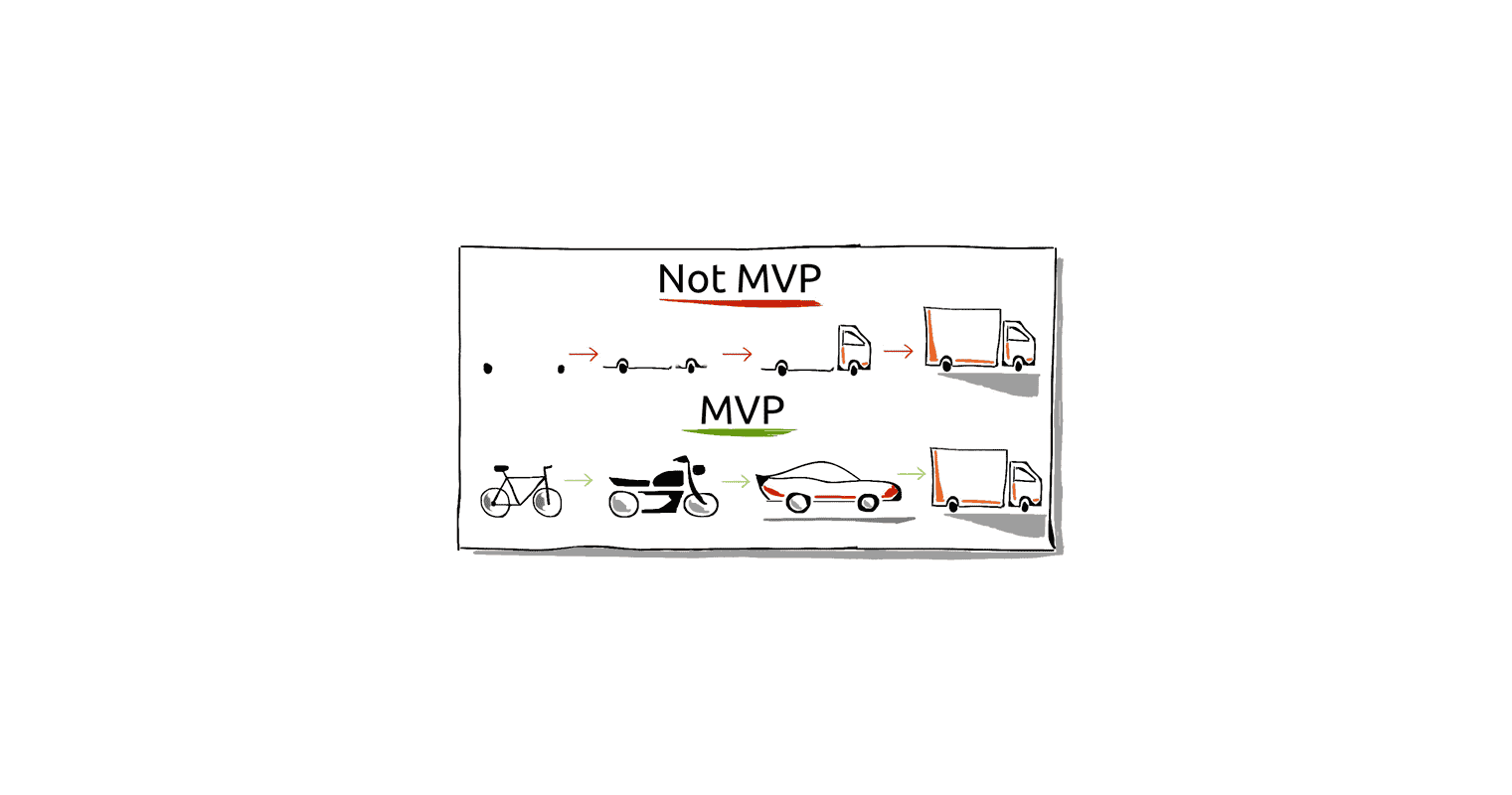
- How is an MVP different from the final product?An MVP is not intended to be a finished product but is a basic version containing core functionalities designed for learning and validation. The final product will be more complete, polished, and feature-rich based on the feedback and data gathered from the MVP. The MVP serves as a crucial stepping stone, guiding the development of the final product rather than being an end in itself.
- Can you provide examples of successful MVPs?Certainly. Facebook's initial version, "Thefacebook," was an MVP. It only connected college students allowing them to post on each other's walls. This simple functionality proved to be highly engaging and enabled Facebook to build its expansive platform, and is a prime example of the success of the MVP method. Another example is Airbnb, which began as a simple platform to offer short-term rentals, catering initially to designers attending a conference. These minimal approaches were crucial to their success, validating demand before expansive platform development.
- How does using an MVP benefit entrepreneurs and startups?MVPs help entrepreneurs and startups launch their businesses with a manageable cost. They allow them to test the market with the most basic version of their product, validating its potential and iterating it according to user feedback, rather than spending a lot of money and time on an initial product that may not meet the needs of their users. It lets them adapt and adjust to the actual market requirements based on real usage, reducing financial risks, and greatly improving their probability of success.
- What is the primary goal of testing an MVP with a subset of customers?The primary goal of testing an MVP with a subset of customers is to gather data about their interactions and understand their needs. This helps to confirm or invalidate initial assumptions about the product's appeal, functionality, and usability. This process is critical for making informed decisions about which features to develop further and how to refine the product for broader use.
- Is an MVP only about testing an idea, or does it offer immediate value to users?While testing the core concept and its validity is key for MVPs, they also provide a functional product that users can start using immediately. This concurrent approach enables startups to gather immediate feedback while users gain value from the basic functionality, allowing continuous improvement and expansion based on demand and usage, and ensures iterative development based on practical applications