Stakeholder Management in International Organizations
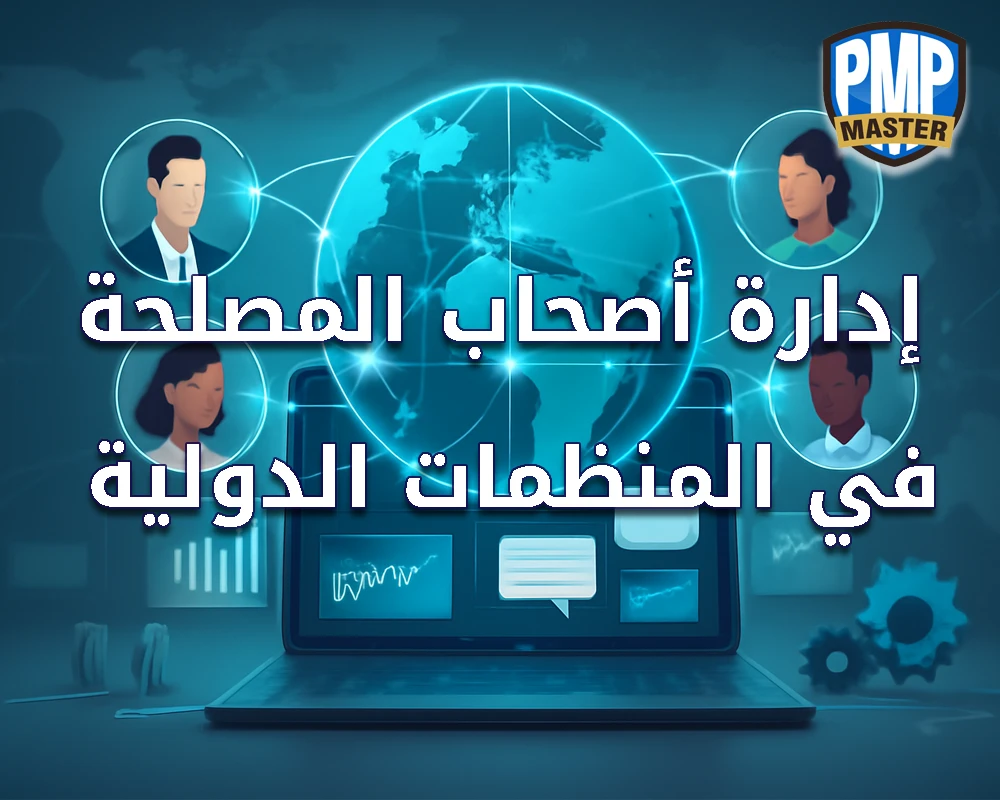
The global shift to remote work has fundamentally reshaped project management, creating a unique landscape of challenges and opportunities for those leading international projects. For project managers in multinational organizations, effective stakeholder management has always been a critical success factor. Now, with the aid of new technologies, the complexities of global collaboration can be navigated with greater precision and effectiveness. This guide, rooted in extensive first-hand experience, provides a practical framework for excelling in remote stakeholder management across borders.
The Unchanging Core of Stakeholder Engagement
At its heart, successful stakeholder management continues to rely on proactive, clear, and consistent communication tailored to individual needs. The significant change lies in the how—the methods and tools we now use to engage stakeholders across different time zones, cultures, and languages. Technology is no longer just a substitute for in-person meetings; it is a powerful enabler of a more comprehensive and inclusive approach to global collaboration.
Phase One: Building a Digital Foundation for Stakeholder Identification and Analysis
Before you can effectively manage your stakeholders, you must first identify who they are and understand their motivations. Digital tools have revolutionized this foundational stage, allowing for a more thorough and collaborative process.
Digital Discovery and Brainstorming: The initial task is to uncover every individual and group with a vested interest in your project. Collaborative online whiteboards such as Miro, Mural, or Microsoft Teams Whiteboard are excellent for virtual brainstorming sessions with your core team. To build a complete picture, supplement this with information from organizational charts, internal knowledge bases like SharePoint and Confluence, and professional networks like LinkedIn.
Creating a Centralized Stakeholder Register: A central, easily accessible repository for stakeholder information is crucial. Cloud-based spreadsheets like Google Sheets or Excel Online offer a simple yet powerful solution. For deeper integration, dedicated project management software such as Jira, Asana, or Monday.com can link stakeholders directly to specific project tasks and milestones. Key information to include in your register is: Name, Job Title, Department, Country, Role in the Project, Interest/Influence Level, Preferred Communication Channel, Language, Time Zone, and Key Concerns.
In-depth Analysis of Power, Interest, and Culture: Understanding the dynamics of influence and the cultural context of your stakeholders is paramount. Visually map stakeholders on Power/Interest grids using digital whiteboards to prioritize your engagement efforts. For crucial cultural insights, leverage online resources like Hofstede Insights and, more importantly, connect with colleagues who have experience in specific regions through platforms like Slack or Teams. Brief digital surveys using tools such as SurveyMonkey or Google Forms can also gather initial feedback, provided they are culturally appropriate.
Phase Two: Crafting a Remote Engagement Blueprint for Strategy and Communication
With a clear understanding of your stakeholders, the next step is to develop a robust engagement and communication plan tailored to an international and remote environment.
Defining Engagement Levels and Communication Channels: Determine the appropriate frequency and method of communication for each stakeholder group. A detailed communication matrix, created in a shared spreadsheet or a project wiki, should specify who receives what information, when, how (e.g., email, video call, chat, report), and why. Utilize calendaring tools like Outlook and Google Calendar with features such as "Find a Time" or scheduling assistants like Calendly to seamlessly manage different time zones.
Tailoring the Message with Cultural Sensitivity: Ensure that all communications are clear, culturally sensitive, and delivered in the appropriate language. While AI translation tools like Google Translate and DeepL can be useful for informal communication, always use professional translation services for critical documents. Presentation software such as PowerPoint or Google Slides with strong visuals can help bridge language barriers. Consider recording presentations with voice-overs for asynchronous consumption to accommodate varying schedules.
Phase Three: Executing with Precision Across Borders
This is where your strategic plan is put into action. In a remote setting, consistency and clarity are of utmost importance.
Proactive and Multi-Channel Communication: Implement your communication plan, prioritizing rich media like video conferencing for important discussions. Tools like Zoom, Microsoft Teams, and Google Meet are vital for building rapport and addressing complex issues. Always obtain consent before recording meetings. Instant messaging platforms are effective for quick updates and fostering a sense of team cohesion, while email remains the standard for formal communication and document sharing. Project management software dashboards provide real-time visibility into project progress.
Managing Expectations and Gathering Feedback: Continuously align stakeholder expectations and create clear channels for feedback.[2] Shared document platforms such as Confluence, SharePoint, or Google Docs ensure transparency for meeting minutes, decision logs, and action items. Digital feedback forms or pulse surveys can provide regular insights into stakeholder sentiment.
Phase Four: Sustaining Momentum Through Monitoring, Feedback, and Adaptation
Stakeholder management is an ongoing process that requires continuous monitoring and a willingness to adapt your strategy.
Tracking Engagement and Effectiveness: Regularly assess whether your communications are being received as intended and if stakeholders are engaging as planned. While some project management and email platforms offer basic analytics, direct feedback through informal video check-ins is often more valuable for gauging sentiment.
Iterating Your Strategy: Be agile and responsive to the evolving needs of your stakeholders. If a particular communication channel is not effective, or a stakeholder's priorities change, update your digital Stakeholder Register and Communication Plan accordingly. The version control features in shared documents are invaluable for ensuring everyone is working from the most current strategy.
Key Success Factors for the Remote International Project Manager:
- Embrace Thoughtful Over-Communication: Especially in the initial stages of a project, it's better to provide more information to ensure clarity.
- Champion Clarity and Conciseness: Avoid jargon and be direct, while remaining mindful of cultural nuances in communication styles.
- Build Digital Trust: Be reliable, responsive, transparent, and personable on video calls to foster strong relationships.
- Master Asynchronous Communication: Respect different time zones by leveraging shared documents, recorded updates, and detailed emails.
- Ensure Technology Inclusivity: Select tools that are accessible and user-friendly for all stakeholders, and offer support when needed.
- Establish a Predictable Cadence: Regular and expected communications reduce uncertainty and build confidence.
The Future is Connected
Managing stakeholders in international organizations remotely is undeniably complex. However, by strategically integrating modern technologies with proven project management principles, we can cultivate stronger relationships, enhance collaboration, and ultimately drive project success across any distance. This new era of work demands adaptability, and with the right digital playbook, project managers are well-equipped to meet the challenge.
Frequently Asked Questions: Remote Stakeholder Management in International Organizations
What is the biggest challenge in managing stakeholders internationally and remotely? The primary challenge is often building trust and maintaining effective communication across time zones, cultures, and languages without in-person interaction. This requires a more proactive and strategic use of technology to bridge these gaps.
How can technology truly help in managing stakeholders remotely? Technology is more than a substitute for face-to-face meetings. It enables project managers to:
- Organize and track information through digital stakeholder registers and project management tools.
- Facilitate collaboration via virtual whiteboards and shared document platforms.
- Overcome time and place barriers through video conferencing, instant messaging, and asynchronous communication.
- Customize communication by understanding and catering to individual channel and language preferences.
What are the most important tech tools I should focus on? While there is no one-size-fits-all solution, essential tools include:
- Reliable video conferencing platforms (Zoom, Microsoft Teams, Google Meet).
- Collaboration and shared document platforms (SharePoint, Google Drive, Confluence, Miro/Mural).
- Project management software that supports stakeholder tracking (Jira, Asana, Monday.com).
- Smart scheduling tools that account for time zones (Calendly or integrated calendar features).
- Instant communication channels (Slack, Microsoft Teams).
How do I handle cultural differences when communicating remotely?
- Prioritize research: Learn about the cultural norms and communication styles of your stakeholders' home countries.
- Practice active listening and empathy: Be open to and respectful of different perspectives.
- Strive for clarity and conciseness: Avoid slang or complex terminology that may not translate well.
- Utilize visuals: Charts and images can help overcome language barriers.
- Encourage clarification: Don't hesitate to ask for clarification and create an environment where others feel comfortable doing the same.
Should I record all meetings with international stakeholders? Always ask for consent before recording. While recordings can be a valuable resource for those unable to attend or for reviewing decisions, some stakeholders may be uncomfortable being recorded, particularly in certain cultures. Transparency is crucial.
How can I build trust with stakeholders I've never met in person?
- Be reliable and consistent: Follow through on your commitments.
- Be responsive: Acknowledge and reply to inquiries in a timely manner.
- Be transparent: Proactively share both good and bad news.
- Utilize video: Seeing faces helps to build personal connections.
- Show genuine interest: Inquire about their challenges and successes beyond the immediate project scope.
What's the best way to manage expectations across multiple time zones?
- Establish a clear communication plan: Define who receives what information, when, and how.
- Use asynchronous communication effectively: Not every issue requires an immediate meeting.
- Schedule meetings thoughtfully: Use scheduling tools to find mutually agreeable times.
- Document decisions and actions clearly: Ensure everyone is aligned, regardless of when they access the information.
How do I measure the effectiveness of my remote stakeholder management strategy?
- Solicit direct feedback: Conduct regular check-ins to gather input from stakeholders.
- Monitor engagement: Observe if stakeholders are interacting with communications and participating in meetings.
- Assess project outcomes: Ultimately, effective stakeholder management is reflected in the smooth progress and successful completion of the project.
- Be prepared to adapt: Continuously refine your approach based on what is and isn't working.