
Why Soft Skills Are Essential for Project Managers?
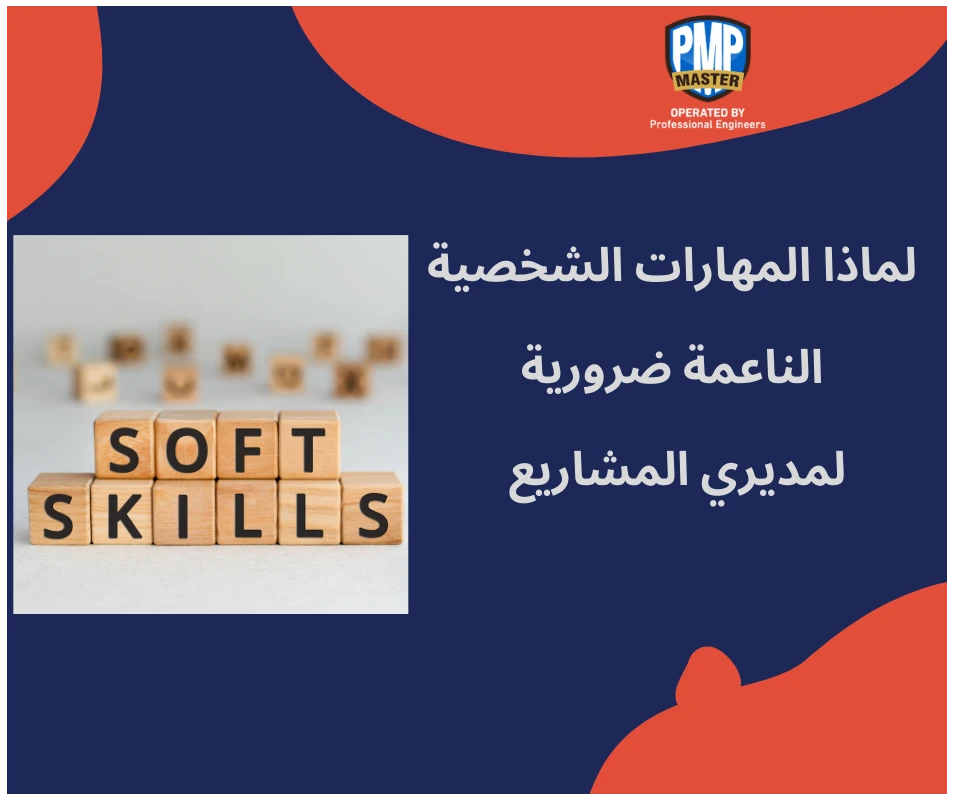
The Power of Soft Skills in Project Management: Building Trust and Leading with Influence
The Project Management Professional (PMP) certification is a prestigious credential that demonstrates a deep understanding of project methodologies and best practices. However, while PMP equips you with the technical knowledge necessary to plan, execute, and deliver projects, mastering soft skills is what truly distinguishes successful project managers from the rest.
You can think of PMP as a blueprint for constructing a building. It provides the framework, structural elements, and detailed instructions for construction. But it's the soft skills – the ability to lead, collaborate, and communicate effectively – that breathe life into the project, transforming it from a static plan into a dynamic and successful endeavor.
This article explores the crucial role of soft skills for project managers. We will explore how these skills, often overlooked in traditional project management training, are the driving force behind successful project delivery, team motivation, and client satisfaction.
The Power of Soft Skills in Project Management: Building Trust and Leading with Influence [You indicated a link should be here - I will write it as [link here] since I cannot create a real link]
The PMP certification is a valuable tool for project managers, providing them with the technical knowledge and methodologies to plan, execute, and deliver projects successfully. However, in the business environment, the ability to lead effectively and collaborate is what sets project managers apart. This is where the importance of soft skills comes in.
Building Trust and Fostering Collaboration:
- Communication: PMP methodologies emphasize the importance of communication, but the quality of that communication is what makes the real difference. Soft skills like active listening, empathy, and relationship-building are essential for building trust with your team, stakeholders, and clients.
- Active Listening: Going beyond simply hearing what someone says to understanding their perspective, concerns, and motivations is crucial for building trust. It shows respect and a genuine desire to collaborate.
- Empathy: Putting yourself in others' shoes and understanding their emotions and perspectives allows you to connect on a deeper level and build stronger relationships.
- Relationship Building: Creating a sense of connection and mutual respect is fundamental to effective collaboration. This can be achieved through shared experiences, genuine interest in others, and open and honest communication.
This trust is the foundation for collaboration, allowing for:
- Open Communication: When team members trust their leader and each other, they feel comfortable sharing ideas, expressing concerns, and providing constructive feedback.
- Shared Decision-Making: Collaboration thrives when the team is able to work together to find solutions and make decisions that reflect the collective wisdom of the group.
- Unified Sense of Purpose: When everyone is aligned and working towards a common goal, the team becomes a powerful force capable of overcoming challenges and achieving exceptional results.
Leading with Influence and Emotional Intelligence:
Project management isn't just about assigning tasks and tracking deadlines. It's about inspiring and motivating individuals to perform at their best. This is where emotional intelligence comes into play.
Emotional intelligence refers to the ability to:
- Understand and Manage Your Own Emotions: Self-awareness and self-regulation are key to maintaining a positive and productive environment.
- Recognize and Respond to the Emotions of Others: Empathy allows you to connect with your team members, understand their needs, and respond appropriately to their challenges.
By developing emotional intelligence, project managers can:
- Foster a Positive Team Culture: Create a work environment where team members feel valued, respected, and supported.
- Motivate and Inspire: Lead by example, demonstrating passion for the project, and recognizing and celebrating individual contributions.
- Manage Conflict Effectively: Navigate disagreements constructively, facilitate open dialogue, and find mutually acceptable solutions.
While the PMP certification provides a strong foundation for project management, developing soft skills – the ability to build trust, lead with influence, and foster collaboration – is what distinguishes exceptional project managers. By cultivating these skills, you can transform yourself into a leader who inspires, motivates, and guides their team towards achieving extraordinary results.
Conclusion
While the PMP certification is a strong foundation for project management, true success is achieved only through the development of soft skills. These skills, such as active listening, empathy, building trust, and emotional intelligence, are what distinguish exceptional project managers. By mastering these skills, PMP-certified project managers can transform into leaders who inspire their teams, foster collaboration, and achieve exceptional results. Therefore, every project manager should invest in developing their soft skills alongside technical skills, to be able to lead their team effectively and achieve success in every project they undertake. Always remember that success in project management is not just about what you know, but also about how you interact and deal with others.